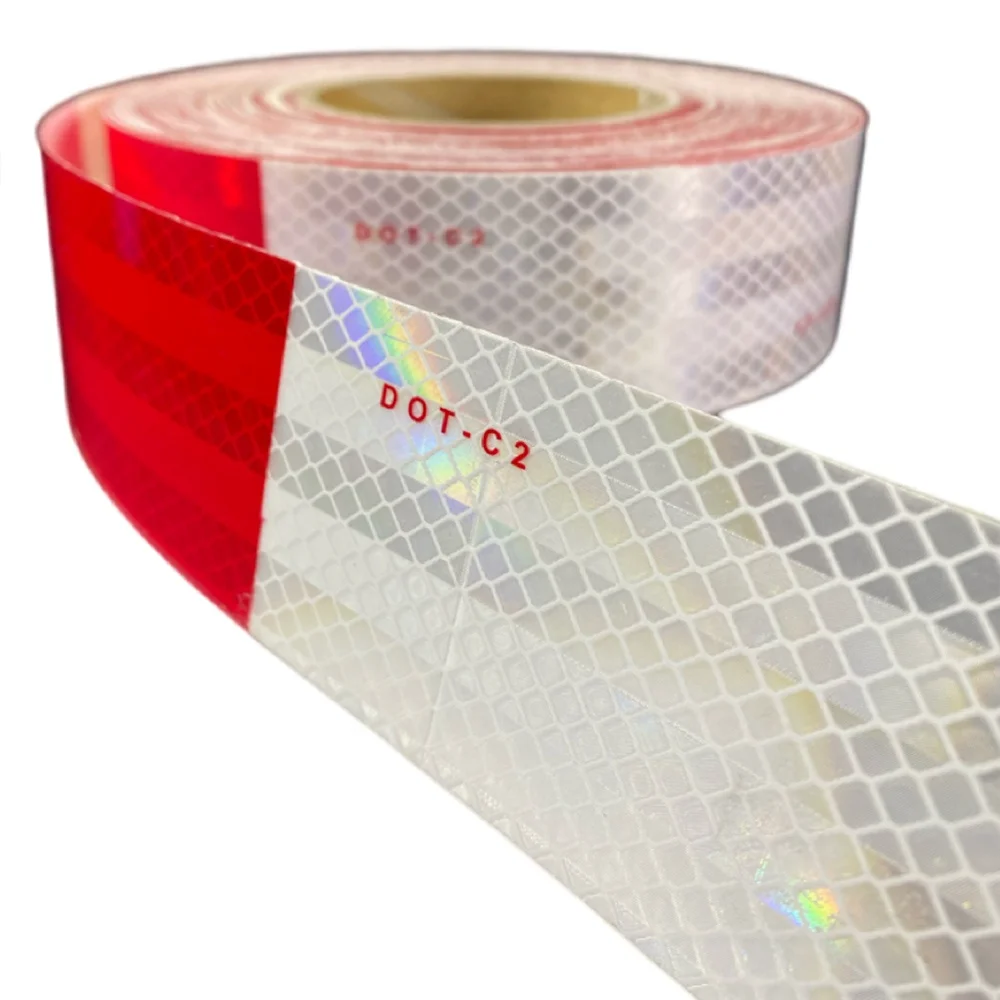
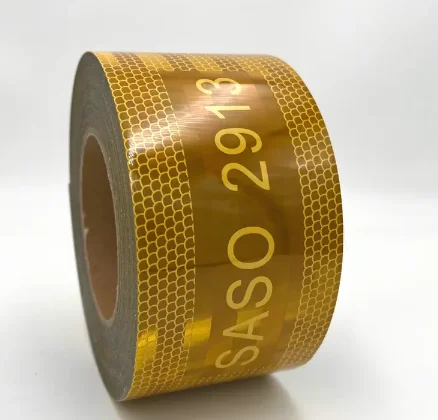
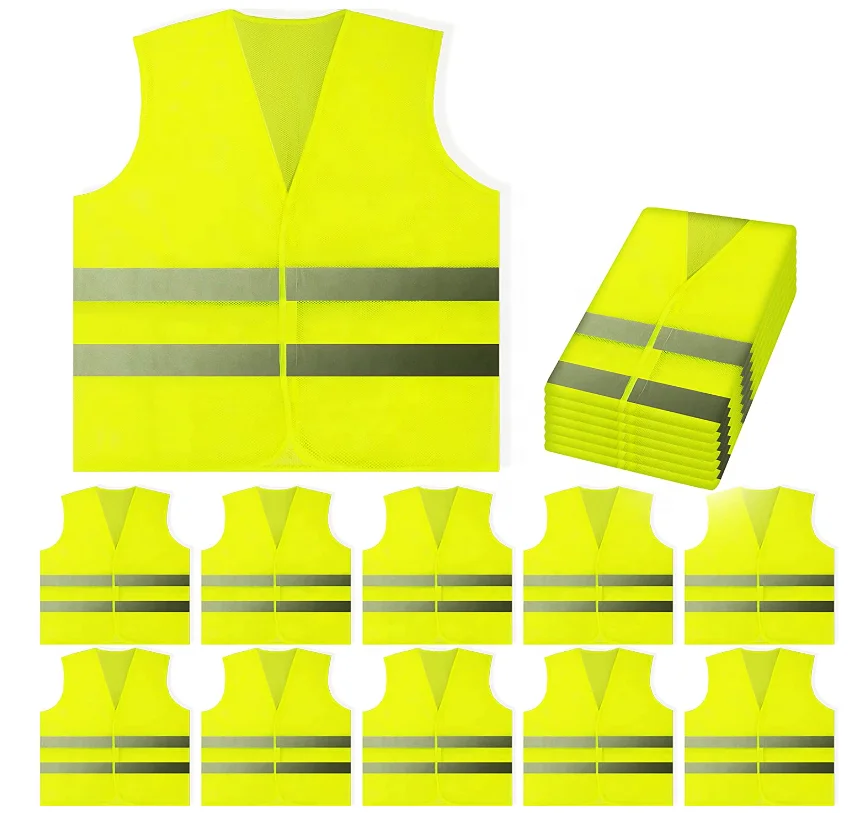
Holey Traffic Road Cones have a lot of vital work to do in road safety. Guiding drivers and pedestrians is one of their primary duties. If you ever do see the road cones of traffic, be careful! This might be due to construction, an accident or a lane closure. The cones are to keep traffic out of danger and to keep everyone safe.
Another crucial role that retroreflective material play is to serve as a divider between the lanes on the road. Construction workers have to work on one side of a road while cars still drive on the other. These are divided by traffic road cones to avoid accidents. They tell drivers to keep to their lanes and not to get up on workers.
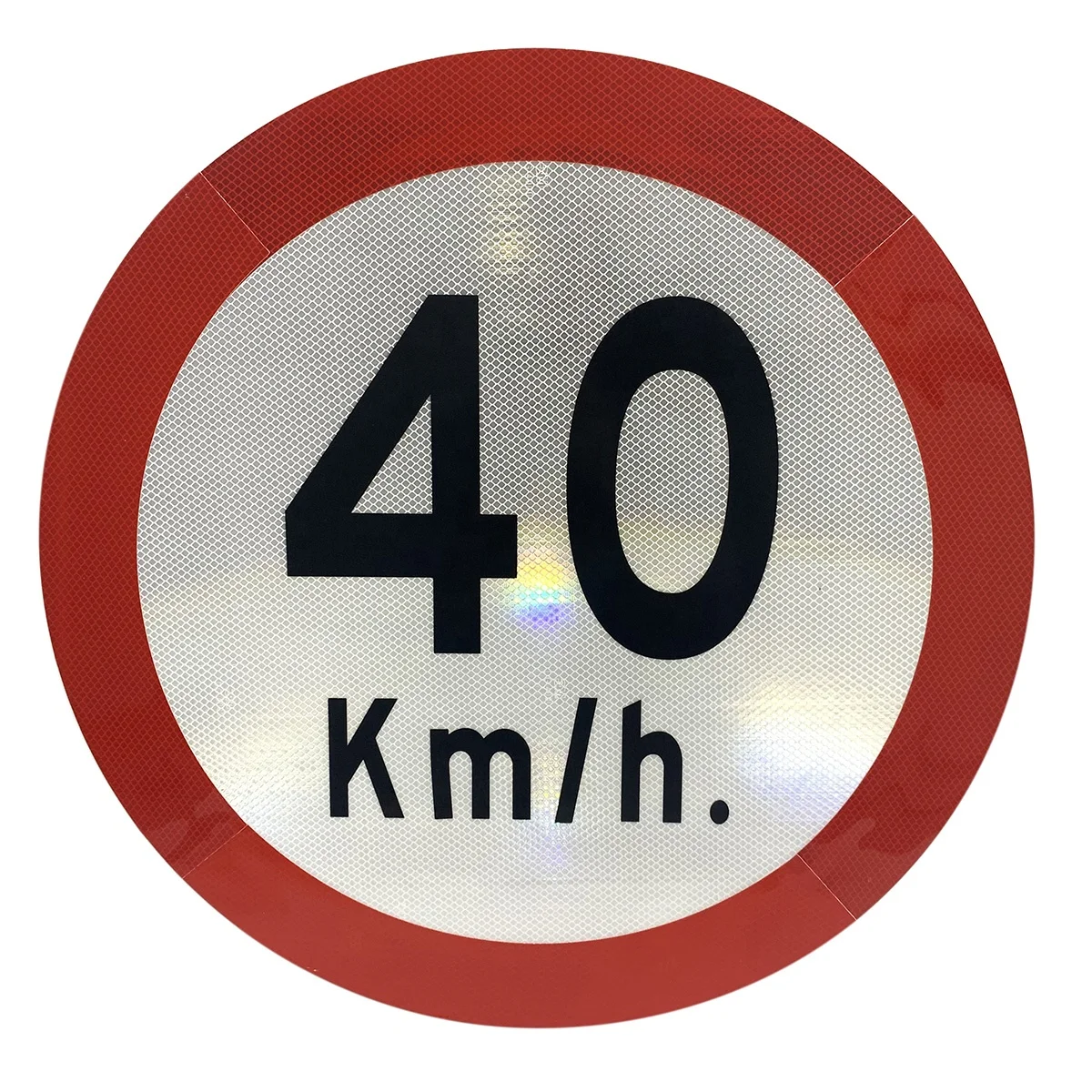
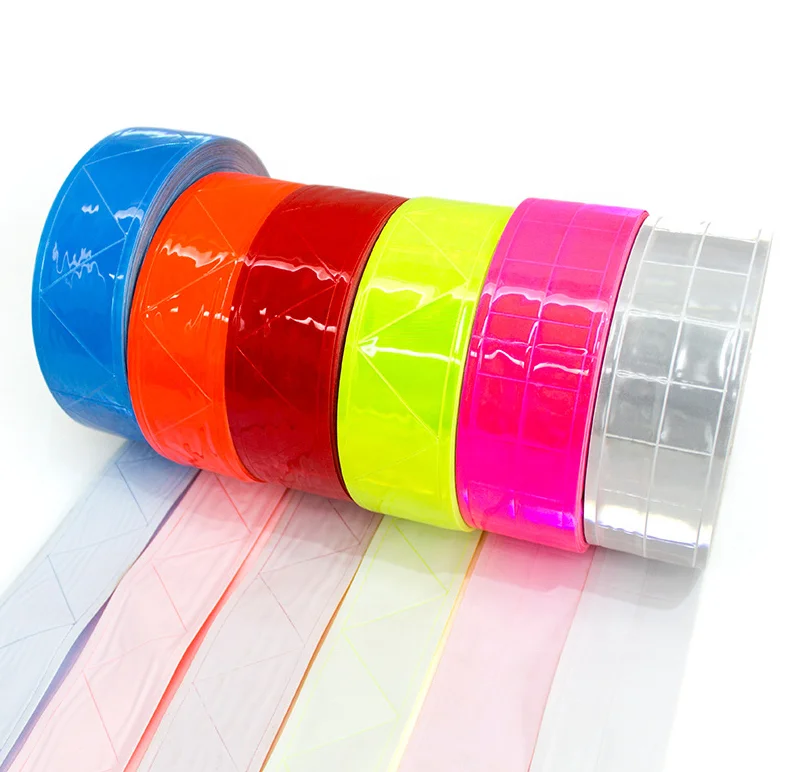
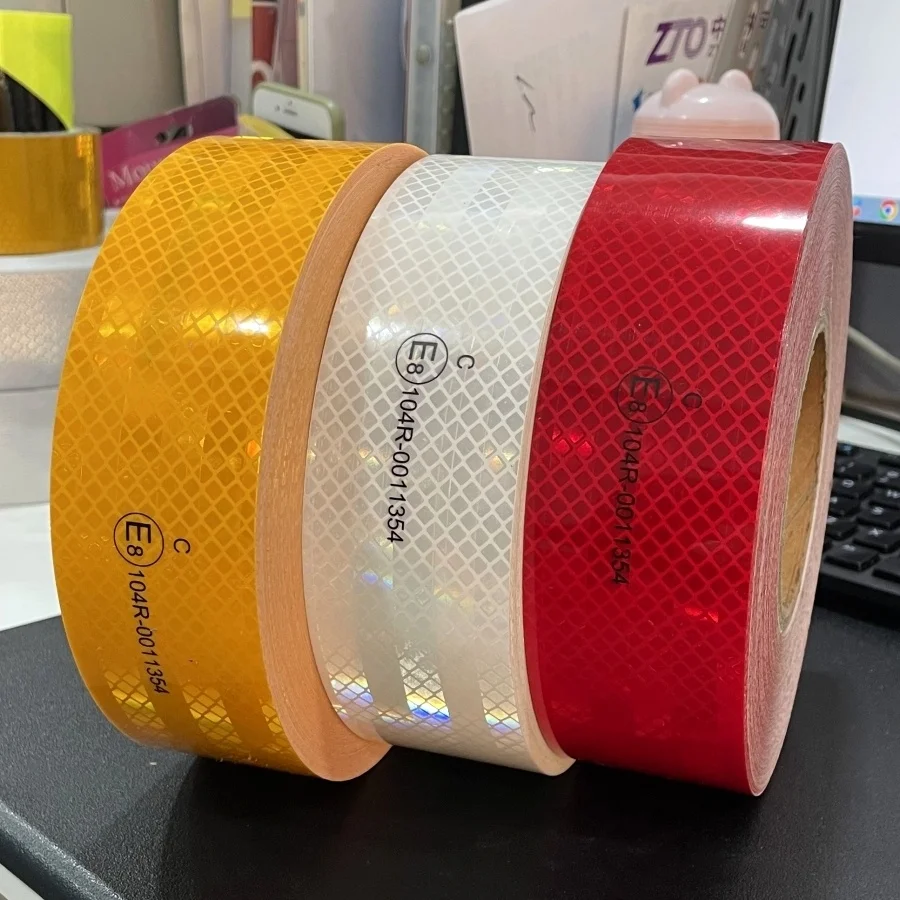
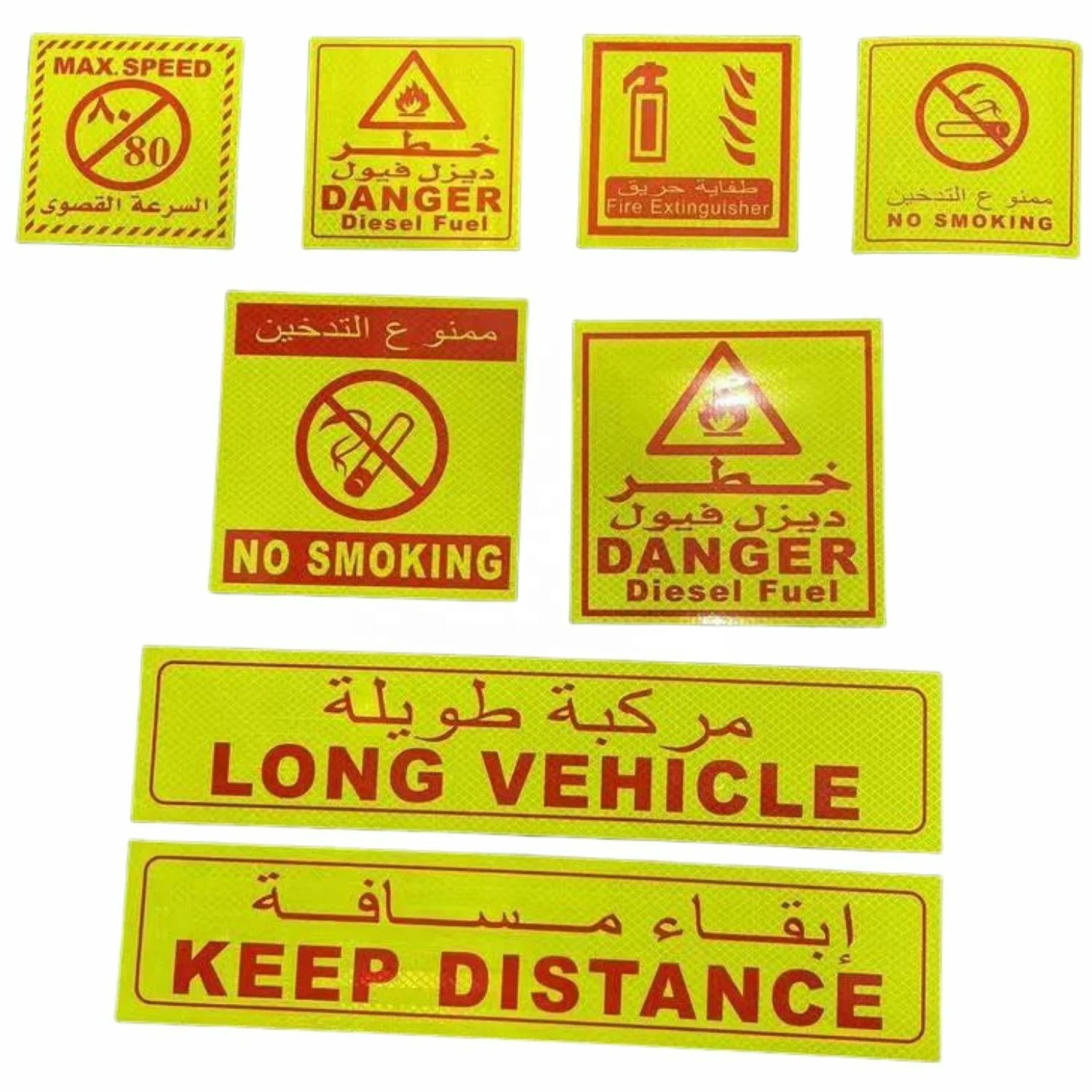
Traffic cones are built to be highly visible, even from a distance. This serves to alert drivers of any modifications or hazards on the road. The retro reflective stickers have bright shades such as orange and reflective materials, which make it easily noticeable during the day and at night. That visibility is key to ensure that drivers see the cones in time to alter their speed or course as necessary.
There are different kinds of traffic road cones and are used for different reasons. Other cones are smaller and lightweight, making them easy to move and set up fast. They are typically used on smaller construction sites or temporary blockades of streets. There are others that are bigger and bulkier, designed for more durable applications. They’re typically deployed on highways or busy roads where traffic must be cleared for some period of time.
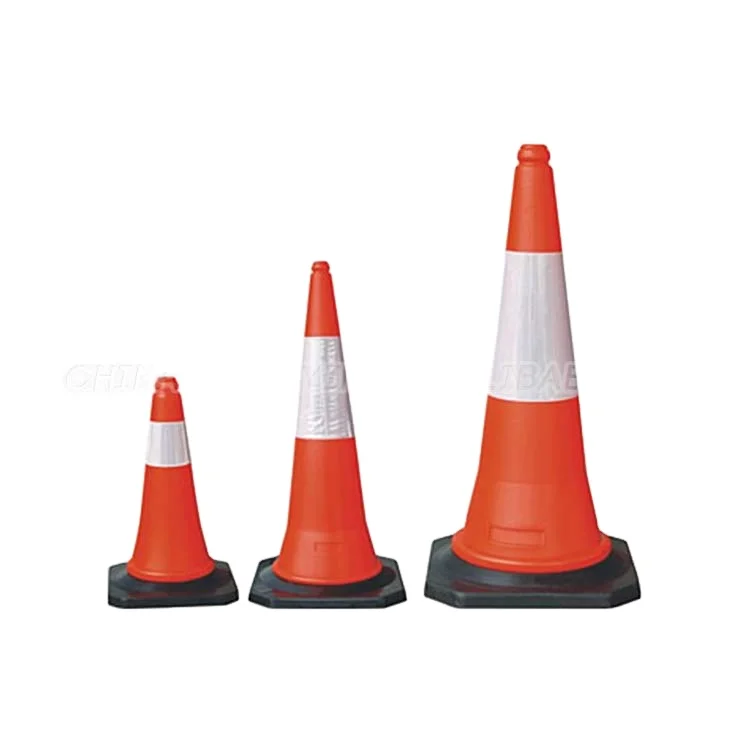
Rubber traffic road cones have been utilized for years for the promotion of road construction and maintenance. The latest innovation is the traffic road cone whose design and materials have evolved to better serve the requirements of the modern day road. "Older Style" Cones were original made of wood or metal, which were heavy and easily damaged. Traffic road cones are now most commonly constructed of lightweight durable plastic.
For traffic control with traffic road cones, be sure to keep a few traffic cones tips in mind. First always place the cones in an obvious and observable pattern. This would require laying them out in a single line that drivers could readily follow. It’s also necessary to space them out regularly, to ensure the flow of traffic.
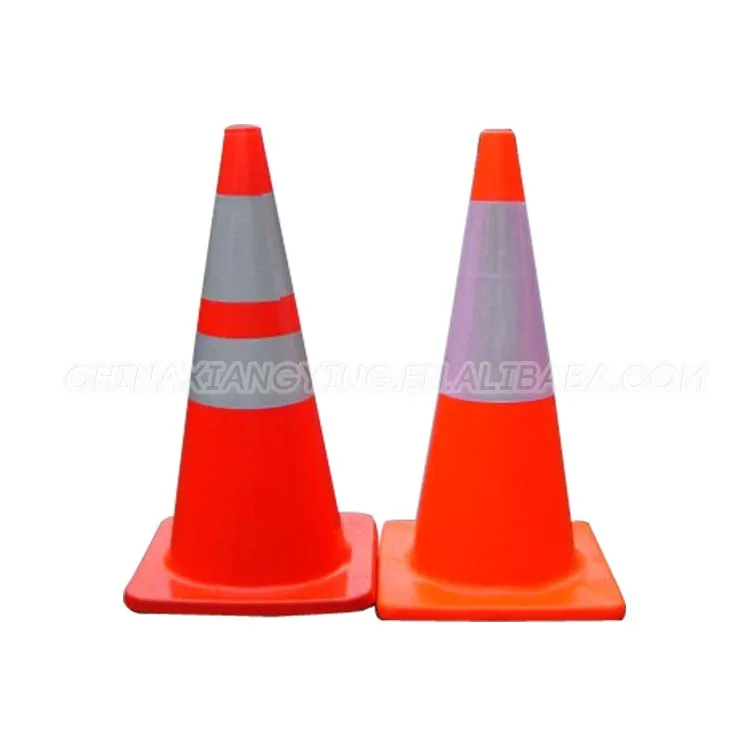
Second, keep inspecting the cones to ensure they are not being disturbed or damaged. If one of the cones gets knocked over or broken, it can pose a hazard to drivers and pedestrians. By watching out for the cones and repairing any issues, you can help them continue keeping everyone safe on the road.
With over 15 years of specialization in reflective materials, we possess deep technical knowledge and manufacturing experience, ensuring high-quality and reliable safety products for diverse applications.
We maintain full control over the manufacturing process through our own research, development, and production facilities, allowing for innovation, quality assurance, and customization from raw materials to finished goods.
Our products are certified to major global standards including ISO 9001, ISO 14001, DOT-C2, and E-MARK, guaranteeing compliance and performance for markets in South America, Europe, the Middle East, and Asia.
From technical consulting and custom design to sampling, quality control, and after-sales service, our professional team prioritizes customer satisfaction, aiming to build lasting partnerships and achieve mutual success.
 EN
EN